Cooperation between the Adana Agricultural Production Enterprise Agricultural Extension and In-Service Training Center Directorate and the Karaisalı District Directorate of Agriculture and Forestry has started to yield concrete results in strengthening agricultural training and extension activities in Karaisalı. With the implementation of the planned training programs in the field, direct engagement with producers has been established and tangible steps have been taken.
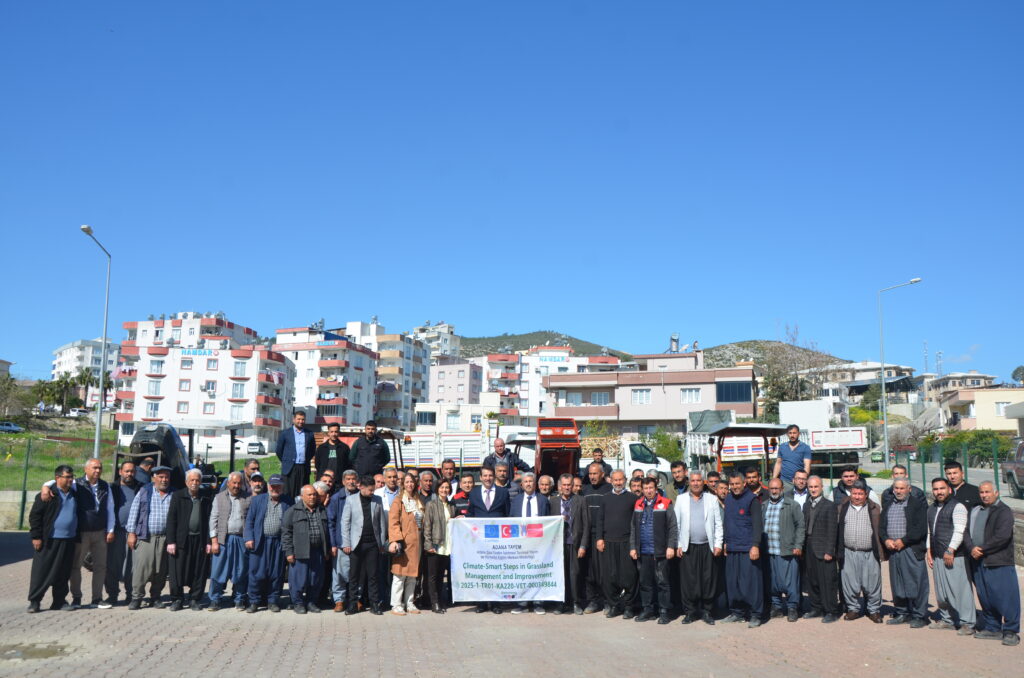
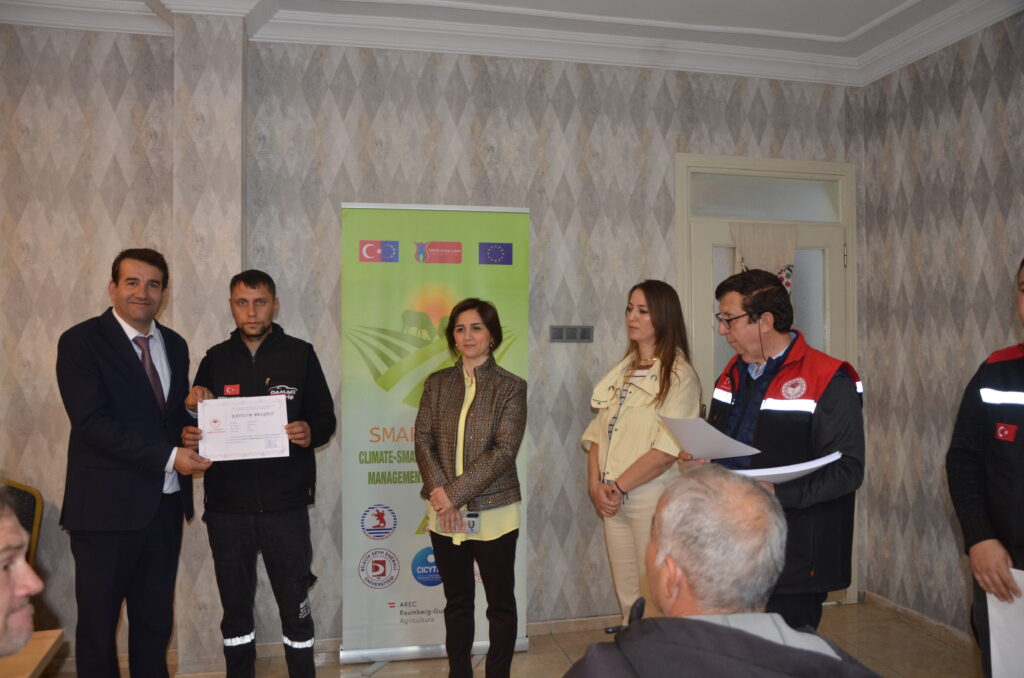
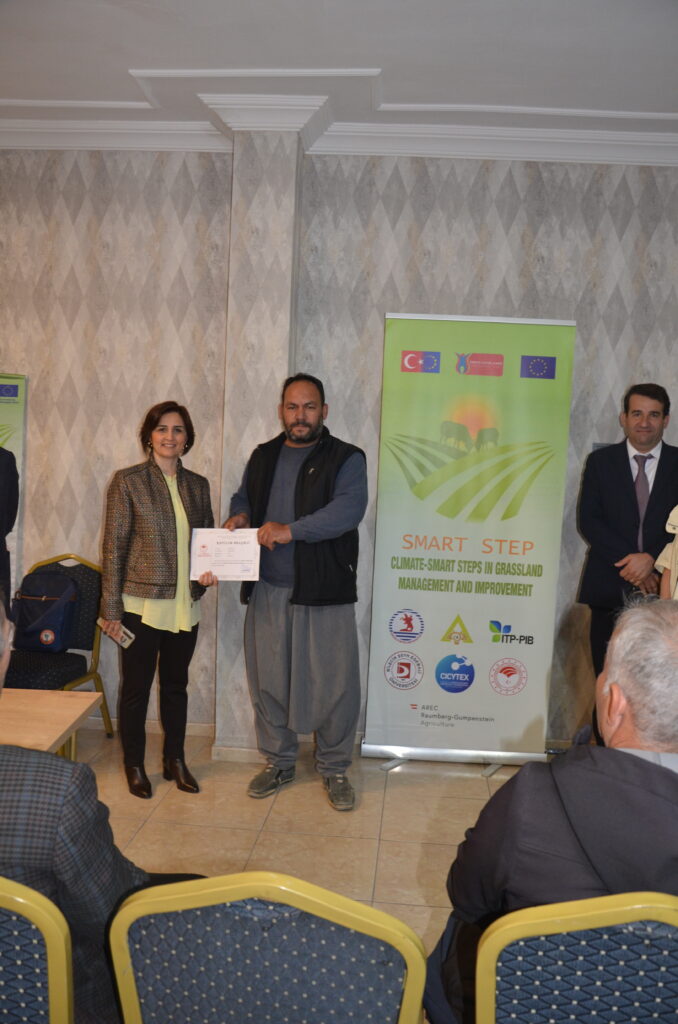
In this context, a Safe Tractor Operation Training was conducted in Karaisalı between March 30 and April 1, 2026. A total of 87 farmers participated in the three-day program. Throughout the training, essential information on occupational safety in tractor use, proper equipment handling, and accident prevention was delivered through both theoretical and practical sessions.
The District Director of Agriculture and Forestry of Karaisalı, Pınar Dölek, emphasized the importance of farmer training for the region, stating that improving farmers’ access to up-to-date knowledge is a fundamental requirement for productivity and sustainable agricultural production.
The Director of the Adana Agricultural Production Enterprise Agricultural Extension and In-Service Training Center, Dr. Bülent Ayhan, noted that training activities in Karaisalı will continue to expand in the coming period. He also introduced the Climate-Smart Steps in Grassland Management and Improvement (SMART STEP) Project, in which the Adana TAYEM Directorate is a partner, highlighting the impacts of climate change on agriculture and underlining the increasing importance of developing climate-resilient production models.
Within this framework, participants were informed about the SMART STEP Project, which aims to improve the sustainable management of grasslands, promote climate-adaptive production systems, and enhance the efficiency of natural resource use. The project includes field studies conducted in different countries to analyze best practices. In particular, findings from Spain demonstrated that planned grazing, efficient water use, practices aimed at increasing soil organic matter, and climate-smart production techniques have positive effects on productivity. It was stated that these findings are intended to be adapted to local conditions and disseminated widely.
The training program was not limited to theoretical knowledge; practical demonstrations enabled participants to directly apply what they learned in the field. This approach is considered critical for achieving lasting improvements in both agricultural productivity and occupational safety.
These activities, aimed at making more effective use of Karaisalı’s agricultural potential, are planned to continue throughout the year with various training programs. Strengthened institutional cooperation is expected to contribute to reaching a wider group of farmers and improving both quality and productivity in regional agriculture.